
Teaching Philosophy
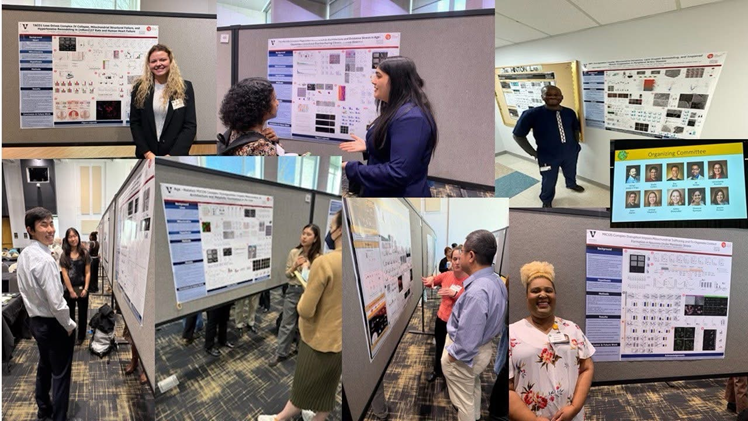
The operative terms in any teaching philosophy are student learning and practical instruction. While this is true for the Hinton lab, our teaching philosophy has grown and transitioned from the “typical” model of presenting students with basic facts and developing an assessment that measures their retention. We view such teaching as counterintuitive to deeper understanding. As such, there is an emphasis on a Socratic teaching style that embraces constructivist principles and metacognition for greater student accountability. Avoiding rote memorization by students in teaching and fostering an attitude of critical analysis is instead the lab’s primary goal in teaching.
This method encourages students to identify the next steps in a “scenario” in an interactive way, much like a detective story. Lab members are challenged to solve real-world questions in the laboratory by solving a semester-long research problem related to diabetes and hypertension. Lab members are also challenged to combine cell biological and biochemical approaches to delineate the mechanisms of insulin action in insulin-sensitive tissues, such as the brain, heart, and skeletal muscle. As lab members understand the full scope of what they can achieve, they begin to discover and recognize their strengths and weaknesses and develop the confidence to overcome deficiencies. When mentees are appropriately challenged, they will improve their communication skills, demonstrate enhanced retention, and understand the relevance of biology to their lives. As mentors, it is our job to instill and refine expectations of mentees, recognizing differences in learning styles and individual differences. Through improvisation, every lab member is taught and supported differently.
In the end, learning is more frequently achieved when teachers can model various problem-solving strategies that span the basic concepts to highly sophisticated technologies used as tools to generate experimental and clinical results. This lab believes that teaching and mentoring go hand in hand. To this end, experiences in our laboratory promote a mentee’s ability to identify questions and concepts that guide scientific inquiry. Personal growth through understanding one’s own learning style, biases, strengths, and weakness is required to become an effective learner in this lab. This approach is complemented by a Socratic teaching style that seeks to contextualize the importance of science, instill a drive for excellence, and inculcate a life-long method of learning that de-emphasizes simple memorization.
Our Relationship
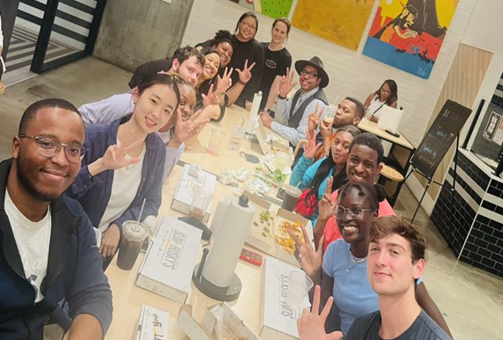
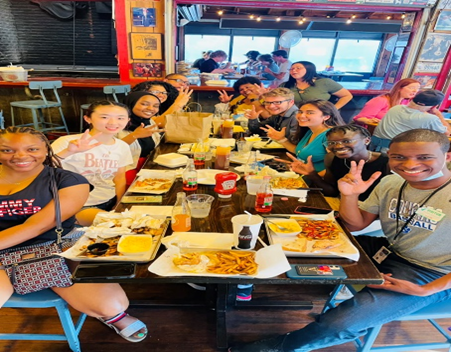
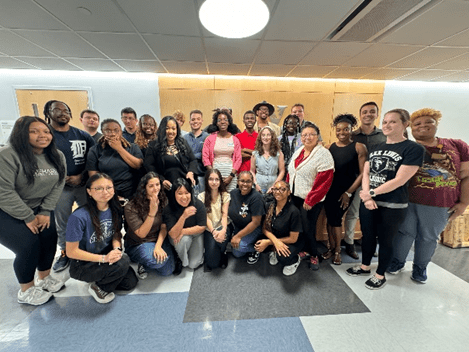
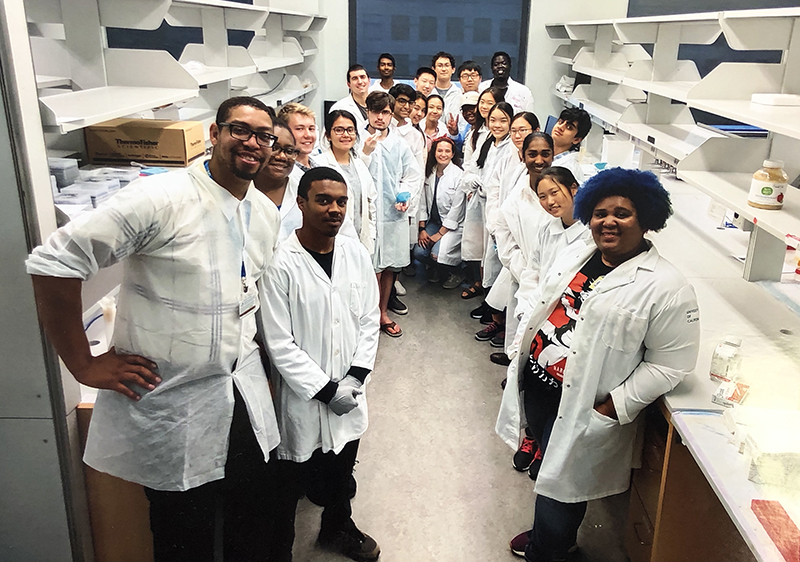
My lab is like my family. The success, happiness, and learning of my lab members is of paramount importance to me. I want you to enjoy your time in the lab and I want to have a cultivate a good relationship between you, me, and all other lab members that is built on respect, honesty, having fun experiences, and a mutual strive for excellence.
Expectations of me
I work hard to support you as a student and an individual. My primary job is to keep the lab running, to allow you to perform the experiments you need to that is relevant to our lab goal while supporting your academic and professional growth. Additionally, I want to grow you as an individual through training, development of IDPs, and guidance through research and other scholastic and/or personal pursuits.
It is very important to me that you feel scientifically motivated to work on your research problem. I should work to make sure this is true for you and ensure everybody in my lab is allowed the opportunity to study and learn things that interest them.
I will be your life-long trainer. I will work to foster in your skills that you can carry on for a career in academic or any other career choice. I support you in academic journeys after you have left my lab through letter of recommendations, reflecting what you have done in your lab, long after the lab. Throughout your time in my lab, I will seek opportunities for you that can grow you as an individual and better prepare you for your professional career. I will encourage you to join conferences or seminars that can maximize your time in my lab.
I will be available for regular meetings and informal conversations. I will strive to be open to you for open, honest, and helpful conversations when you need them. I will get to know you throughout your time on a personal level and want to facilitate an open-line of communication.
I will communicate with you openly about authorship. I will work with you, and everybody in the lab, to provide collaborative opportunities within and outside my lab in which everybody is benefitting and is happy with authorship.
I will teach you how to be your best self. While your primary goal is to complete research required, I will work to help you communicate this data in an organized, comprehensive, and understandable way that makes you stand out as an academic. To this end, I will teach you how to write and I will teach you how to give a good presentation. I will be honest with my joys and difficulties in my job, to help you better understand how to navigate and succeed in a career in academia.
I will advocate in favor of your needs whenever the chance arises.
I will be honest with you, and be clear when it comes to data ownership, authorship policies, and timelines. Our lab does many collaborations, but my largest goal is to avoid unnecessary conflict and find solutions that are mutually beneficial for everyone involved.
Our Team & Lab Culture
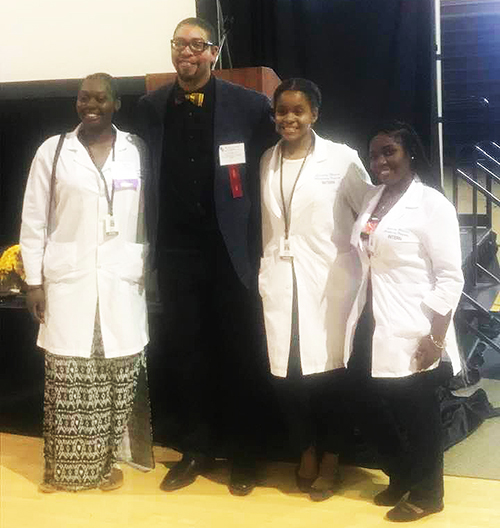
The success of everyone in our lab is your own success. You should support and assist others in publishing high-impact papers, and they will do the same. We should ask thoughtful, probing, and even critical questions of each other’s research, but never be critical of those who are presenting it. Science does not progress in isolation. While our team is part of our lab, our team also includes all those in labs with whom we may collaborate. These collaborations give you the chance to work with colleagues in other fields and better appreciate a diversity of viewpoints; however, it is expected that our lab culture carries over to these interactions. We will foster a culture in which lab members feel comfortable approaching each other for assistance, support, collaboration, and the exchange of ideas. In our lab, collaboration is the rule, not the exception.
We as a team must remember that the goal is to further the pursuit of knowledge. Relative to all of human history, we are poised on the precipice of a unique time when we can devote our efforts to reveal newly understood or not-yet-understood biological phenomena. We should be enthusiastic about learning what we don’t know. Whereas each person in this lab may have unique or separate goals, we share the common pursuit of knowledge, which we must express through our research.
 The Antentor Hinton Lab