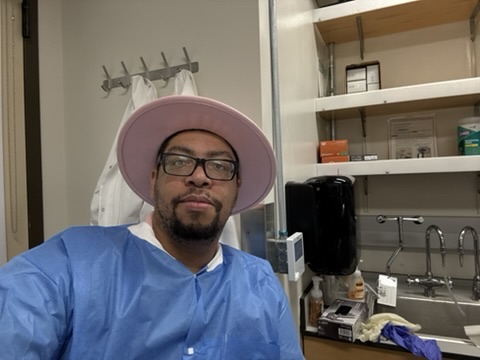
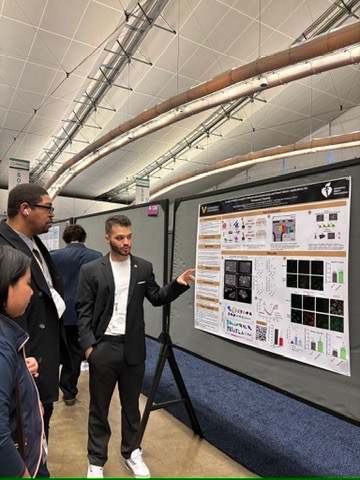
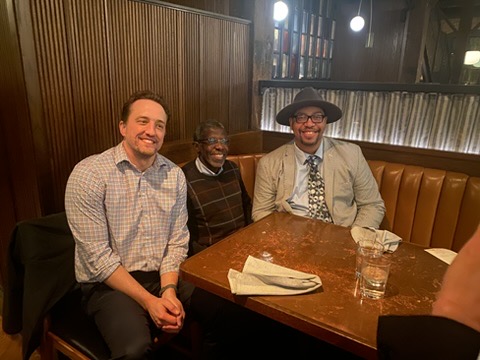
The operative terms in any teaching philosophy are student learning and practical instruction. While this is true for the Hinton lab, our teaching philosophy has grown and transitioned from the “typical“ model of presenting students with basic facts and developing an assessment that measures their retention. We view such teaching as counterintuitive to deeper understanding. As such, there is an emphasis on a Socratic teaching style that embraces constructivist principles and metacognition for greater student accountability. Avoiding rote memorization by students in teaching and fostering an attitude of critical analysis is instead the lab’s primary goal in teaching.
This method encourages students to identify the next steps in a “scenario“ in an interactive way, much like a detective story. Lab members are challenged to solve real-world questions in the laboratory by solving a semester-long research problem related to diabetes and hypertension. Lab members are also challenged to combine cell biological and biochemical approaches to delineate the mechanisms of insulin action in insulin-sensitive tissues, such as the brain, heart, and skeletal muscle.
As lab members understand the full scope of what they can achieve, they begin to discover and recognize their strengths and weaknesses and develop the confidence to overcome deficiencies. When mentees are appropriately challenged, they will improve their communication skills, demonstrate enhanced retention, and understand the relevance of biology to their lives.
As mentors, it is our job to instill and refine expectations of mentees, recognizing differences in learning styles and individual differences. Through improvisation, every lab member is taught and supported differently. In the end, learning is more frequently achieved when teachers can model various problem-solving strategies that span the basic concepts to highly sophisticated technologies used as tools to generate experimental and clinical results. This lab believes that teaching and mentoring go hand in hand. To this end, experiences in our laboratory promote a mentee’s ability to identify questions and concepts that guide scientific inquiry. Personal growth through understanding one’s own learning style, biases, strengths, and weakness is required to become an effective learner in this lab. This approach is complemented by a Socratic teaching style that seeks to contextualize the importance of science, instill a drive for excellence, and inculcate a life-long method of learning that de-emphasizes simple memorization.
Our relationship
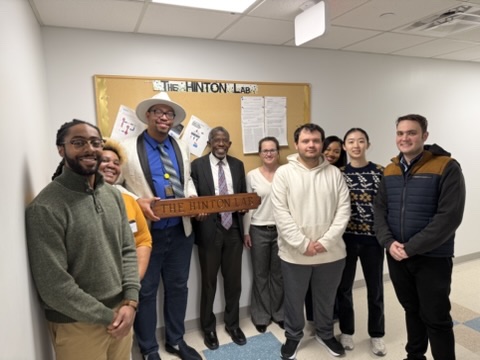
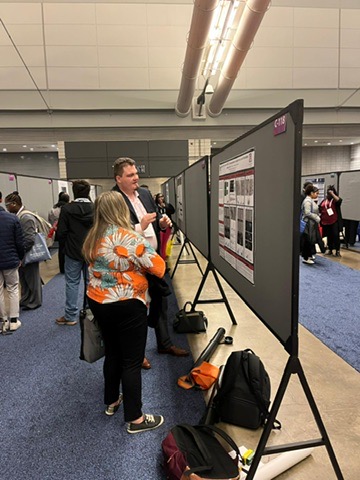
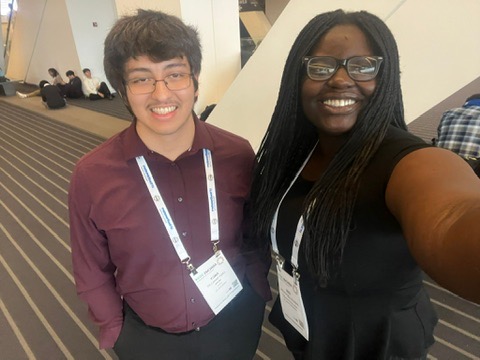
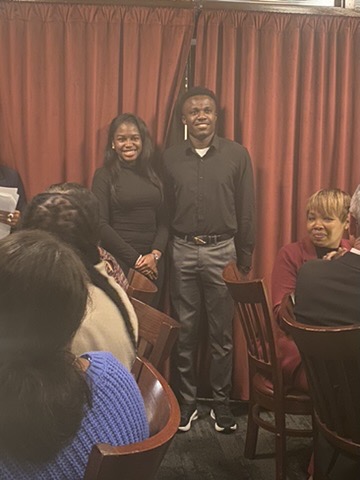
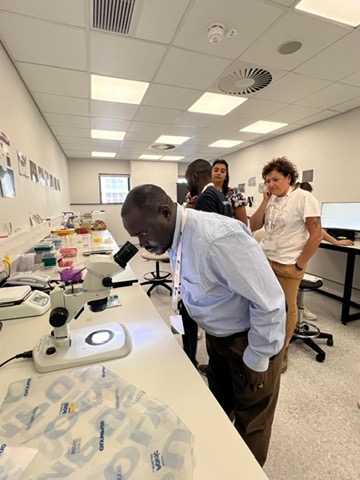
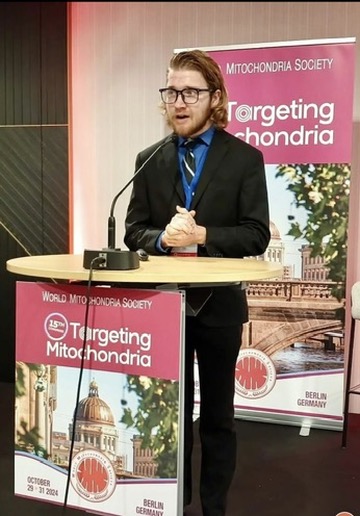
My lab is like my family. The success, happiness, and learning of my lab members is of paramount importance to me. I want you to enjoy your time in the lab and I want to have a cultivate a good relationship between you, me, and all other lab members that is built on respect, honesty, having fun experiences, and a mutual strive for excellence.
Expectations of me
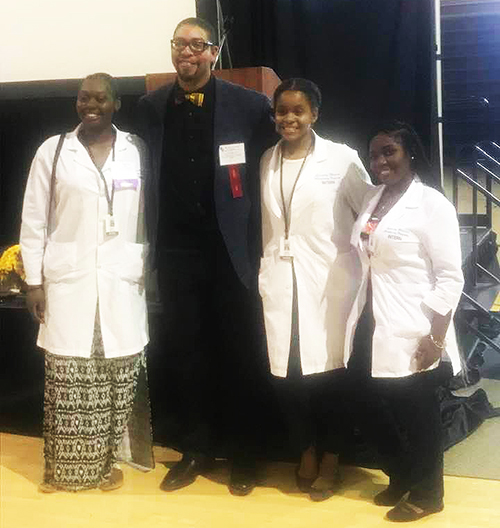
I am committed to supporting you both as a scientist and as an individual. My role is to create an environment where you can do meaningful research, develop your skills, and grow in a way that prepares you for your next steps—whether that is in academia, industry, or another path.
My responsibility is to keep the lab running in a way that allows you to carry out strong, relevant experiments aligned with our lab’s goals, while also supporting your academic and professional development. This includes helping you build technical skills, think critically about your work, and develop a clear sense of direction through tools like Individual Development Plans (IDPs) and regular mentorship.
It is important to me that you feel genuinely motivated and connected to your research. I will work with you to make sure your project is both meaningful and aligned with your interests. Everyone in the lab should have the opportunity to explore ideas, learn deeply, and take ownership of their work.
I view mentorship as long-term. I will continue to support you beyond your time in the lab through letters of recommendation, career guidance, and continued mentorship. During your time here, I will actively look for opportunities that help you grow—whether that is presenting at conferences, attending seminars, building collaborations, or developing new skills.
I will be available for regular meetings and open communication. I aim to create a space where you feel comfortable asking questions, discussing challenges, and having honest conversations. I will take the time to get to know you as a person, not just as a trainee, and will work to maintain a strong and open line of communication.
I will be transparent about authorship, expectations, and timelines. We will have clear conversations about contributions and how work is recognized. Our lab is highly collaborative, and I will work to ensure that all collaborations—both within and outside the lab—are fair, productive, and beneficial for everyone involved.
I will also focus on helping you develop the skills needed to stand out. This includes learning how to write clearly, present effectively, and communicate your science with confidence. Beyond technical training, I will share my own experiences—both successes and challenges—to help you better understand how to navigate a career in science.
I will advocate for you when opportunities arise and support your goals to the best of my ability. At the same time, I will be honest and direct with you, especially when it comes to feedback, expectations, and progress. My goal is to help you improve, grow, and succeed.
Overall, my commitment is to help you become the best version of yourself—scientifically, professionally, and personally—while contributing to a strong, collaborative, and respectful lab environment.
Collaboration and Shared Success
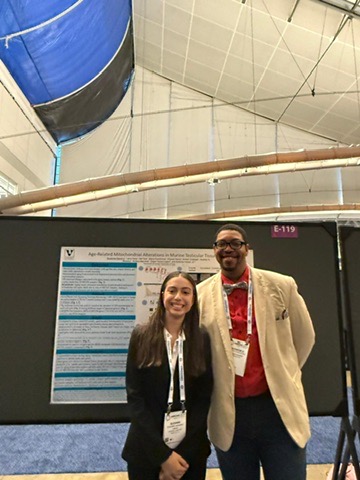
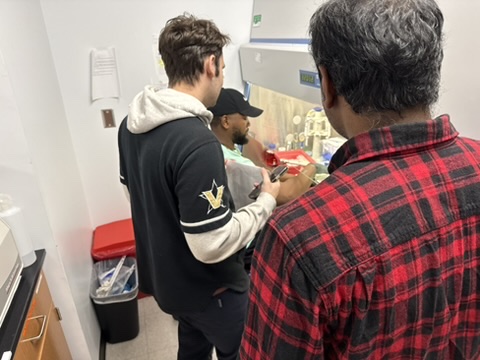
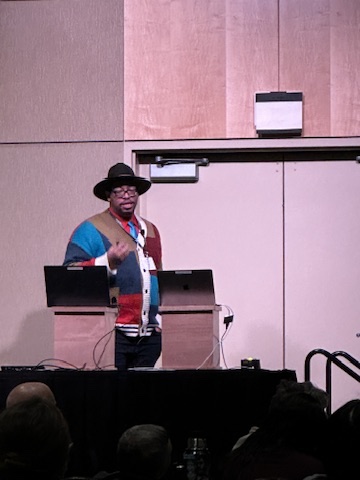
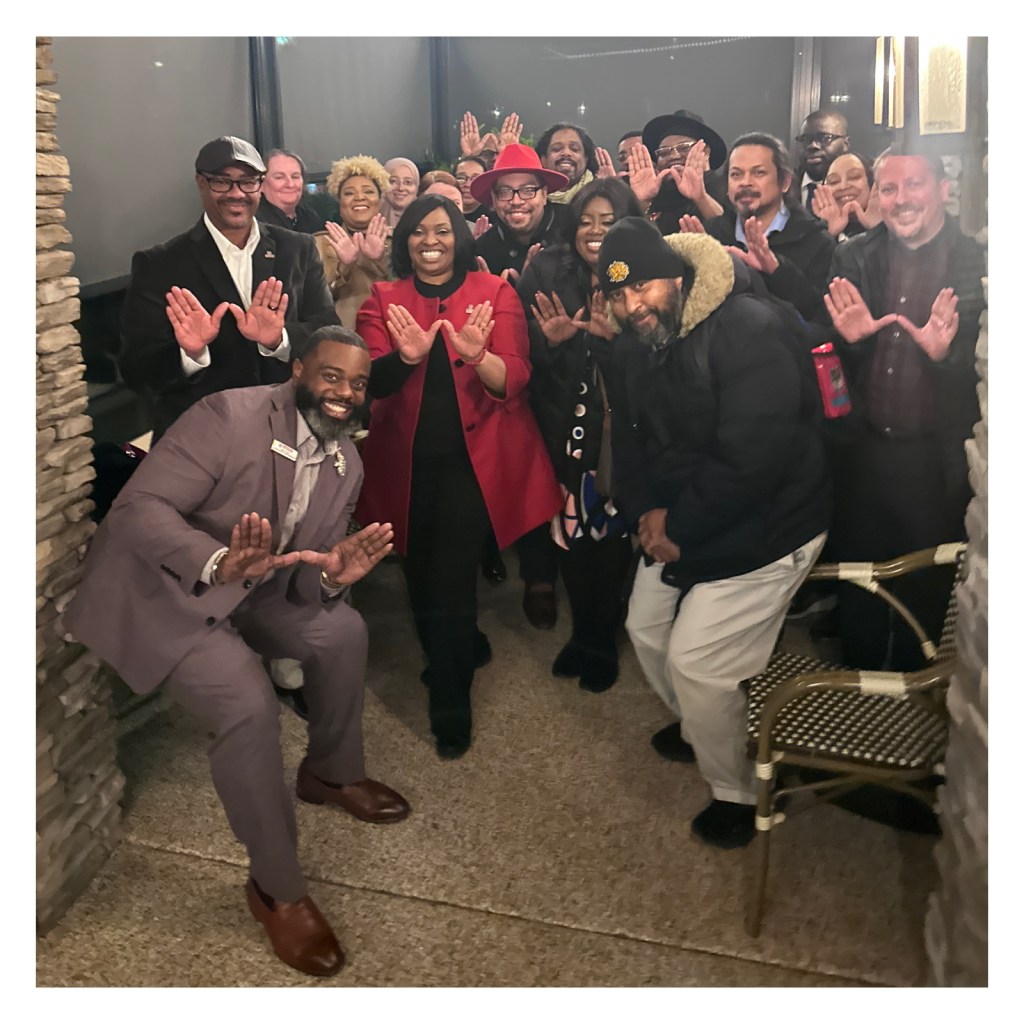
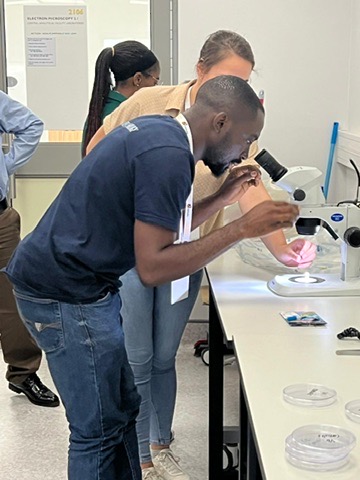
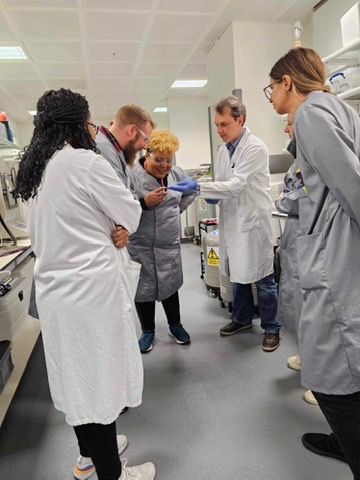
In this lab, your success is tied to the success of those around you. We do not work in isolation. We work as a team, and we expect lab members to actively support one another—whether that means helping with experiments, giving feedback on data, or contributing to manuscripts. When one person succeeds, the lab moves forward together.
We encourage thoughtful, probing, and even critical discussion of ideas, because that is how science improves. At the same time, we maintain respect for one another. We challenge the science, not the person. The goal is always to strengthen the work, not to undermine those presenting it.
Collaboration is not optional here—it is a core part of how we operate. This applies both within the lab and in our interactions with external collaborators. Our team extends beyond our immediate group to include the broader network of labs we work with. These collaborations provide opportunities to learn new approaches, engage with different ways of thinking, and contribute to larger scientific efforts. When we collaborate, we represent the lab, and we carry our values of respect, integrity, and teamwork into those spaces.