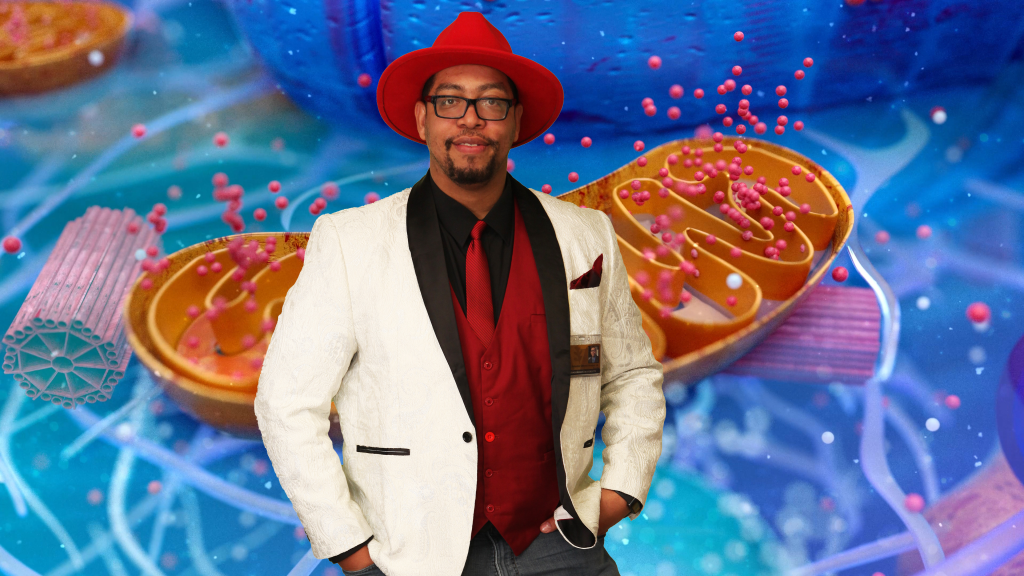
Who is Dr. Hinton?

Dr. Antentor Hinton is the Ernest E. Just Early Career Investigator, a Chan Zuckerberg Initiative Science Leadership Investigator, and a Burroughs Wellcome Fund Career Awards at the Scientific Interface Investigator. He serves as Assistant Professor in the Department of Molecular Physiology and Biophysics at the Vanderbilt University School of Medicine Basic Sciences, where he is a member of the Vanderbilt Diabetes Research and Training Center and a Fellow of the Frist Center for Autism and Innovation. He also holds appointments as Assistant Professor in the Department of Medicine, Division of Cardiology at Vanderbilt University Medical Center, and as Adjunct Assistant Professor in the Department of Biomedical Sciences in the School of Graduate Studies at Meharry Medical College.
The Hinton laboratory focuses on ATF4-mediated regulation of mitochondrial architecture, lysosomal control, organelle communication, and stress-responsive transcriptional networks. His research program spans three primary areas: Signal Transduction and Transcriptional Regulation, Diabetes and Metabolism, and Biophysics and Structural Biology. These categories capture the mechanistic, metabolic, and structural dimensions of his work.
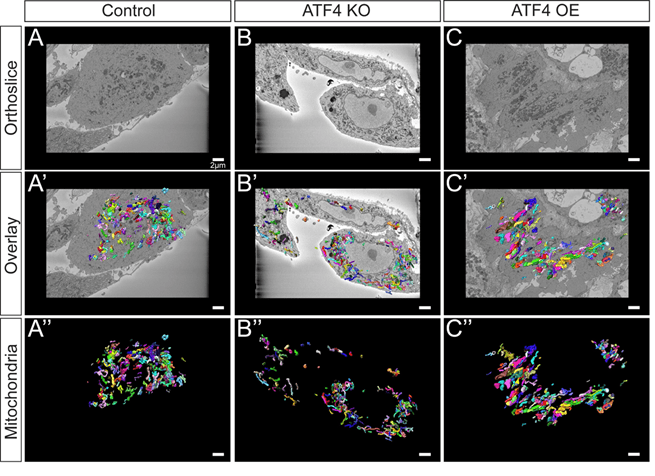
Dr. Hinton’s research investigates how ATF4 dependent stress signaling regulates organelle structure, function, and inter organelle communication across physiological and disease states. His laboratory defines how transcriptional control mechanisms coordinate mitochondrial dynamics, cristae remodeling, lysosomal regulation, mitochondrial DNA nucleoid organization, and endoplasmic reticulum mitochondria contact site architecture to control cellular energetics, proteostasis, and metabolic adaptation.
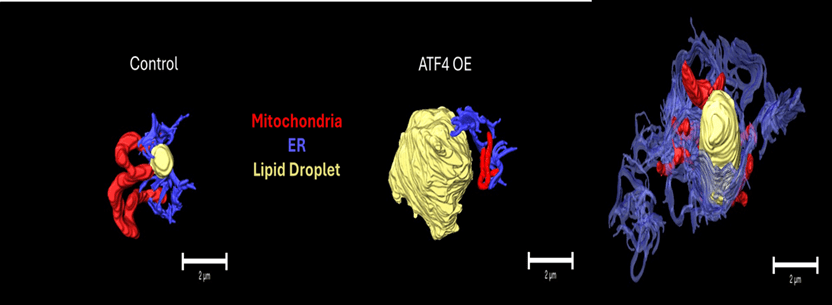
A central emphasis of the laboratory is understanding how spatial organization and membrane architecture influence mitochondrial signaling capacity. Using advanced three dimensional electron microscopy approaches including serial block face scanning electron microscopy, focused ion beam scanning electron microscopy, and correlative light and electron microscopy, combined with quantitative morphometric analysis and molecular genetics, the group defines the structural principles governing mitochondrial membrane curvature, cristae density, nucleoid positioning, and organelle distribution within skeletal muscle and other metabolically active tissues.
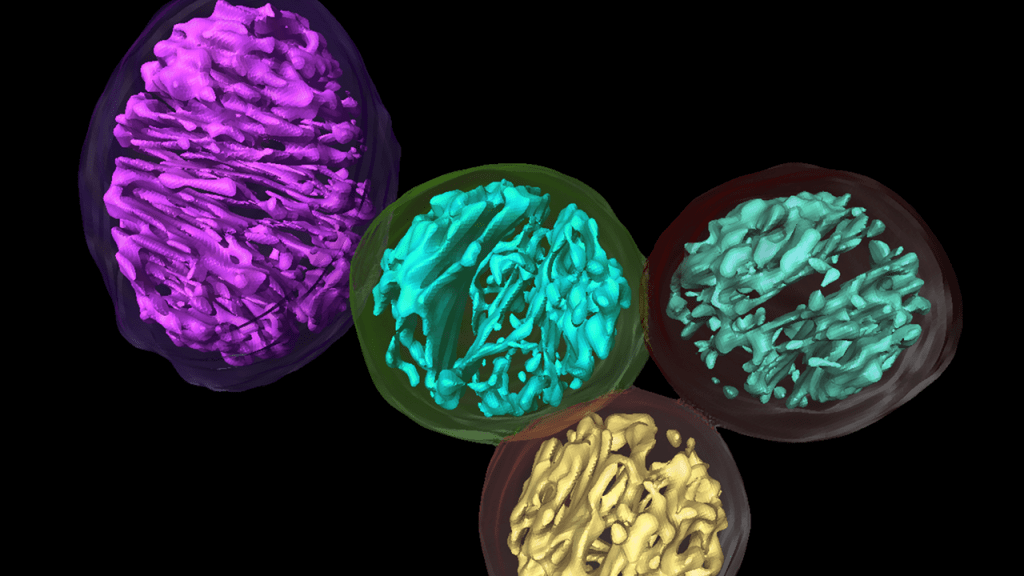
The laboratory also investigates how ATF4 regulates lysosomal pathways and organelle quality control programs, integrating stress signaling with mitochondrial remodeling and lipid metabolic networks. Through transcriptomic profiling, chromatin occupancy analyses, bioenergetic flux measurements, and computational modeling, the group maps transcriptional programs that couple mitochondrial bioenergetics, redox balance, and adaptive stress responses.
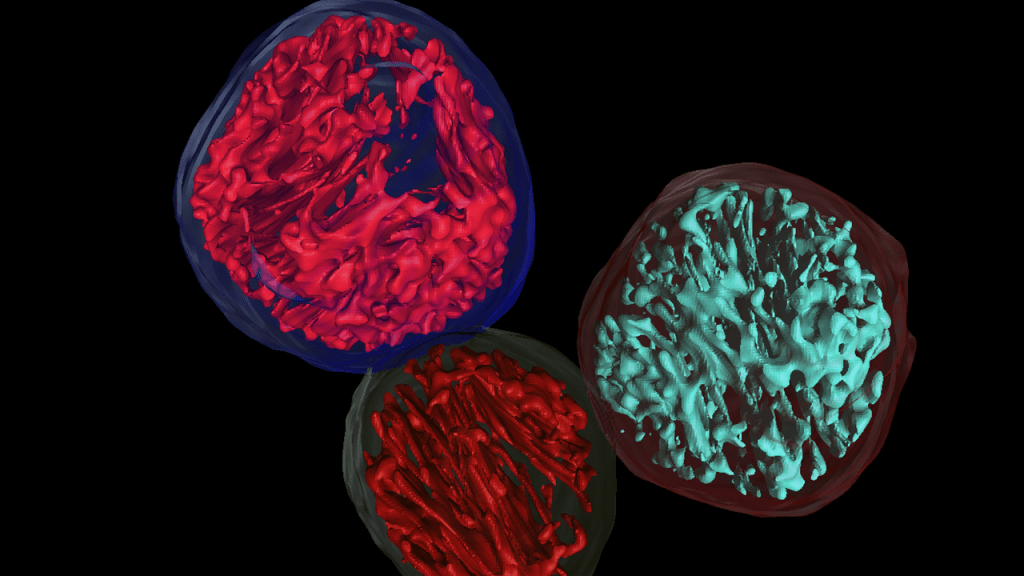
In parallel, the team develops next generation electron microscopy workflows and artificial intelligence driven computational pipelines to classify mitochondrial ultrastructure, membrane topology, and organelle interactions across aging, metabolic disease, and stress conditions. This integrated framework positions ATF4 as a central regulator of organelle plasticity linking signal transduction, metabolism, and structural biology in cardiometabolic, skeletal muscle, and systemic stress related diseases.
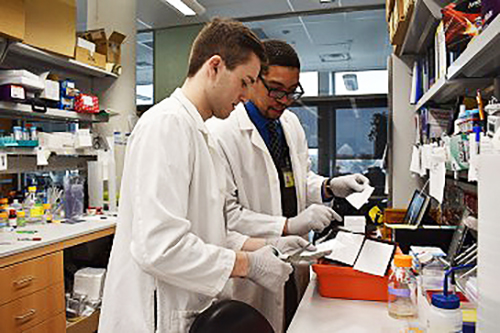
With an h index of 38, Dr. Hinton has published 149 papers, received 60 awards, and delivered more than 200 invited talks. He has earned numerous prestigious honors, including the ASCB Mentoring Keynote Award and the Vanderbilt Postdoctoral Faculty Mentor of the Year Award. He has mentored more than 90 individuals including graduate, medical, postbaccalaureate, and undergraduate students, residents, and postdoctoral fellows. Many of his trainees have received competitive fellowships, Fulbright and Marshall Scholarships, top residency placements such as Yale, and faculty or research appointments. He currently supervises a broad team of faculty, scientists, postdoctoral fellows, technicians, and students across Vanderbilt and Meharry, applying structured mentorship models, Individual Development Plans, and career development frameworks to foster professional growth.
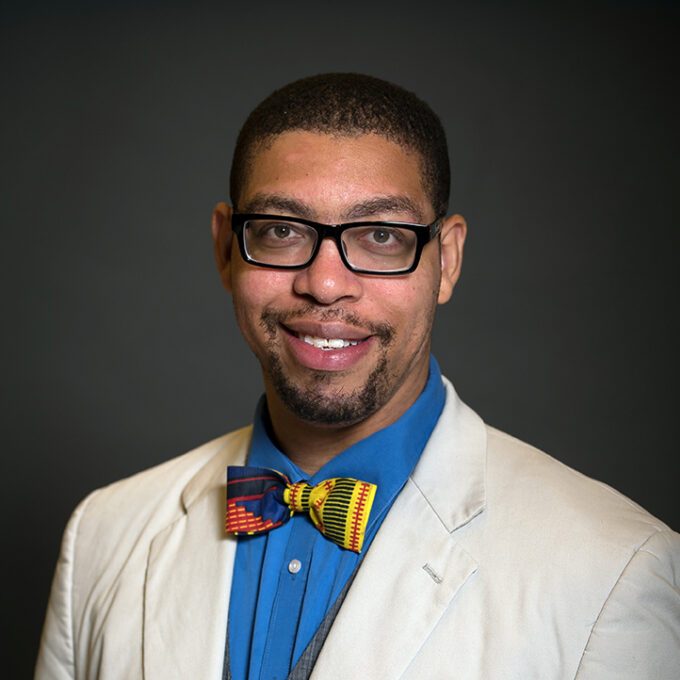
In addition to his research and training mission, Dr. Hintoncontributes extensively to the scientific community through editorial leadership. He serves as Associate Editor for Frontiers in Molecular Biosciences in Bioenergetics and for Current Protocols. He is also a member of the Editorial Boards of Circulation Research, Aging Cell, American Journal of Physiology Heart and Circulatory Physiology, Journal of Cellular Physiology, Advanced Biology, Frontiers in Physiology, Aging Advances, and Scientific Reports.

Speaking Engagements

Upcoming Speaking Engagements

  1. Cardiometabolism in Health and Disease/Obesity Therapeutics: Unlocking Benefits and Minimizing Side Effects- Keystone Symposium, Jan 26 – 29, 2026  –
    1. Talk Title: DRP1 Dysregulation Couples Mitochondrial Dynamics, Lipid Droplet Remodeling, and Impaired Muscle Oxygenation in Peripheral Artery Disease
    2. Poster Title: DRP1 Dysregulation Couples Mitochondrial Dynamics, Lipid Droplet Remodeling, and Impaired Muscle Oxygenation in Peripheral Artery Disease
  2. Microscopy Society of America – 2nd Annual Microscopist Speaker Series in Honor of Black History Month
    Hosted by the Early Career Committee and the Educational Outreach Subcommittee
    February 5th 2026 · Virtual Event – Invited Talk:Etching Through Life: Leveraging Mitochondrial Architecture to Uncover New Roles in Physiology and Function
  3. Chan Zuckerberg Biohub (Biohub HQ), Redwood City, CA
    March 1–4, 2026
    1. Oral Presentation –TACO1 Loss Drives Complex IV Collapse, Mitochondrial Structural Failure, and Hypertensive Remodeling in (mRen2)27 Rats and Human Heart Failure.
    2. Poster PresentationATF4 Links Master Mitochondrial Dynamics Regulators to Lipid Droplet Remodeling and Tri-Organelle Contact Rewiring in Skeletal Muscle and Myotubes.
  4. University of Utah’s Seminar in Metabolism (April 2026)- Title:ATF4, MICOS, and MFN-2 Govern Mitochondrial Remodeling and Organelle Interactions Across Aging and Metabolic Stress
  5. 11th Meeting of the Biophysical Society of Canada, Winnipeg, Manitoba • May 20–22, 2026- Tentative Title: Biophysical Priorities of Mitochondria: Pathways and Burdens
  6. BioEMTalks × Society of Ultrastructural Pathology (SUP) Joint Session Mobile, Alabama | Week of May 10–15, 2026, Tentative Title: Advanced Sample Preparation and Quantitative Structural Analysis in Human, Mouse, and Cell Models: Linking Organelle Morphology to Mechanistic Function

Past Speaking Engagements

& International Recognition)

  1. Keystone Symposium – Cardiometabolism in Health and Disease / Obesity Therapeutics
    “DRP1 Dysregulation Couples Mitochondrial Dynamics, Lipid Droplet Remodeling, and Impaired Muscle Oxygenation in Peripheral Artery Disease”
    (January 26–29, 2026)
  2. Gordon Research Conference (NH), Keynote Session
    “3D Reconstructions of Mouse Skeletal Muscle Reveal Reduced MICOS Complex and Altered Mitochondrial Networks”
    (August 2022)
  3. Harvard Medical School, Junior Faculty Keynote, 2nd Annual HBPA Symposium
    (October 2022)
  4. MIT Biology Department, Mechanisms of Aging
    “MICOS Complex and Mitochondrial Remodeling in Health and Disease”
    (January 2025)
  5. University of Washington, Milt Gordon Endowed Lecture
    “Mechanisms of Aging: MICOS, MFN2, and ATF4 in Mitochondrial Remodeling in Health and Disease”
    (May 2025)
  6. Johns Hopkins School of Medicine, Department of Physiology Seminar Series
    “The MICOS Complex in Skeletal Muscle, Cardiac Muscle, and Heart Failure”
    (April 2023)
  7. Columbia University Medical Center, Annual Departmental Seminar Series
    “Connecting the Dots: MICOS Complex, Mitochondrial Dysfunction, and Aging-Related Disease”
    (December 2023)
  8. University of North Carolina at Chapel Hill School of Medicine, Biochemistry & Biophysics
    “3D Reconstruction of Human Heart Failure Reveals Mitochondrial Structural Associations with CHCHD3 and CHCHD6 Expression”
    (January 2023)
  9. University of California, San Francisco (Biophysics / Bioinformatics / Chemistry & Chemical Biology)
    “Inter-Organelle Contact Biology in Human Disease”
    (February 2024)
  10. FASEB Science Research Conference, Nutrient Sensing and Signaling in Metabolism
    “MICOS Complex Loss Governs Age-Associated Murine Mitochondrial Architecture and Metabolism in Liver, While SAM50 Dictates Diet-Induced Remodeling”
    (August 2024)
  11. NIH Redox Biology Interest Group Seminar Series (Virtual)
    “MICOS and Mitochondrial Dysfunction in Human Health Explored Using 3DEM Techniques”
    (December 5, 2024)
  12. MD Anderson Cancer Center & Baylor College of Medicine (MIMIG)
    “Doxorubicin-Induced Cardiomyopathy Associated with Defects in Mitochondrial Metabolism”
    (December 13, 2024)
  13. EMBO Practical Course on Volume Correlative Light Electron Microscopy, Francis Crick Institute, London
    “vCLEM Applications II”
    (July 2024)
  14. ZEISS “From 3D LM to 3D EM” Symposium, VIB Conferences and Training, Ghent, Belgium
    “MICOS and Mitochondrial Dysfunction in Human Health Explored Using 3D EM Techniques”
    (March 2024)
  15. CZI Correlated Multimodal Imaging in Life Sciences (COLUMLIS) Global Conference and CLEM Workshop, Stellenbosch University, South Africa
    “Using CLEM for 3D Reconstruction”
    (January 2025)
  16. Targeting Mitochondria World Congress (Germany, Virtual) – Team Presentation
    “Cracking the Code of Aging: Exploring Mitochondrial Dynamics and Organelle Connections”
    (October 2024)
  17. Microscopy & Microanalysis, Volume Electron Microscopy in Biological Research Symposium
    “SBF-SEM to Understand the Mitochondrial Connectome”
    (July 2023)
  18. Baylor College of Medicine, Distinguished Keynote (IMSD & PREP)
    “Mitochondrial Structure and Cristae Remodeling Across Aging”
    (February 2023)
  19. Yale University, Emerging Scholars Seminar Series
    “OPA1-Induced Mitochondrial Stress Activates ATF4-Dependent MERC Remodeling in Skeletal Muscle”
    (June 2021)
  20. ASBMB / Experimental Biology Joint Meeting, Mitochondrial Interest Group
    “OPA1-Induced Mitochondrial Stress Activates ATF4-Dependent MERC Remodeling in Skeletal Muscle”
    (April 2021)
  21. University of Michigan, Mitochondrial Interest Group
    Research Seminar (January 2025)
  22. Center for Research on Aging (CIE), Instituto Politécnico Nacional, Mexico
    “The Role of MICOS in Mitochondrial Integrity Across Cardiac, Skeletal Muscle, Liver, and Kidney Aging”
    (May 2024)
  23. Stephen J. Ryan Initiative for Macular Research (RIMR), Doheny Eye Institute 14th Annual Conference
    Mitochondria and Organelle Biology (Year as applicable)
  24. Chan Zuckerberg Institute NDCN Annual Meeting
    “Organelle Dynamics Revealed Through SBF-SEM and FIB-SEM”
    (August 2023)
  25. ASCB Tech Talk with Thermo Fisher Scientific
    “Building a Mitochondrial 3D Structural Database”
    (December 2024)